Unlocking Creative Potential with the Finger Stamp Display Font
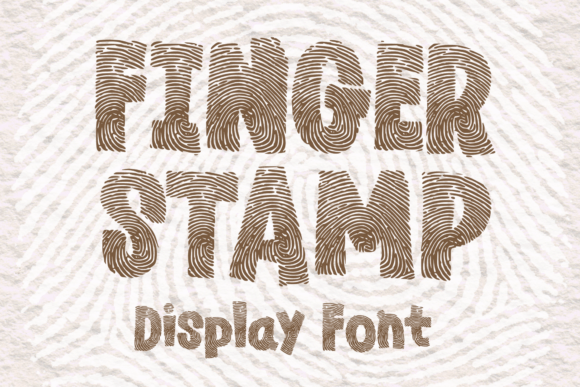
In the vast landscape of graphic design, typography often serves as the silent ambassador of a brand or a project's mood. While clean sans-serifs and elegant serifs have their place in corporate communications and formal literature, there is a growing demand for typefaces that inject personality, warmth, and a tactile sense of humanity into visual media. This is where Finger Stamp emerges as a distinctive tool for creators. As a unique display font characterized by an authentic fingerprint texture, it bridges the gap between digital precision and organic imperfection, offering designers a way to make their work feel personally touched and handcrafted.
The concept behind this typeface is rooted in the universal symbol of identity: the fingerprint. By integrating this biometric pattern directly into the letterforms, the font transcends standard typographic conventions. It is not merely a style; it is a statement of individuality. Whether utilized by professional graphic designers, educators creating classroom materials, or small business owners crafting marketing collateral, Finger Stamp provides a bold and fun touch that resonates with audiences on a subconscious level. Its texture suggests authenticity, suggesting that the message has been verified, approved, or personally delivered by a human hand.
The Aesthetic of Authenticity and Texture
One of the primary advantages of incorporating a textured font like Finger Stamp into a design workflow is the immediate addition of depth. In an era where screens are increasingly high-resolution and designs can often feel sterile or overly polished, introducing an element of grit and organic variation is crucial for standing out. The fingerprint texture within the characters creates a visual noise that mimics the look of ink pressed onto paper, evoking a sense of nostalgia and craft.
This aesthetic is particularly effective when aiming to convey trust and personal connection. Unlike generic distressed fonts that might simulate wear and tear randomly, the specific pattern of a fingerprint implies identity and verification. When a viewer sees this font, they subconsciously register the idea of "you" or "me." This makes it an exceptional choice for projects that require a personal touch, such as greeting cards, invitation suites, or branding for artisanal products. The font does not just display text; it embodies the presence of the creator.
Furthermore, the bold nature of the display style ensures high legibility even with the intricate internal detailing of the fingerprint ridges. This balance between complexity and readability is a hallmark of well-engineered typography. It allows the font to be used at various sizes, from large headlines on posters to medium-sized text on packaging, without losing its characteristic charm or becoming illegible blobs of texture.
Diverse Applications in Print and Apparel
The versatility of Finger Stamp extends across a wide array of mediums, making it a valuable asset for both digital and physical applications. One of the most popular use cases is in the realm of apparel and merchandise. For t-shirt designers and clothing brands, especially those targeting youth markets or lifestyle sectors, this font offers a ready-made graphic element. A simple phrase printed in Finger Stamp on a tee shirt instantly transforms the garment from a basic commodity into a statement piece. The texture interacts beautifully with fabric prints, whether using screen printing techniques that benefit from slight imperfections or direct-to-garment digital printing.
Beyond fashion, the font shines in the creation of promotional materials. Banners and posters designed for events, sales, or community gatherings gain an energetic vibe when utilizing this typeface. The "cheering vibes" mentioned in its description are not hyperbolic; the rounded, stamped appearance of the letters feels celebratory and approachable. It is less authoritative than a heavy slab serif and more inviting than a delicate script, striking a perfect middle ground for community-focused messaging.
Stickers and labels represent another fertile ground for this font. In the world of small businesses and Etsy sellers, packaging is a critical part of the customer experience. Using Finger Stamp on thank-you notes, seal stickers, or product labels reinforces the idea that the item was packed with care by a real person. This small typographic choice can significantly enhance brand loyalty and the perceived value of handmade goods.
Engaging Young Audiences in Education and Publishing
Educators and authors specializing in children's content will find Finger Stamp to be an invaluable resource. The playful nature of the fingerprint texture aligns perfectly with themes of discovery, identity, and fun. For kids' book designs, this font can be used for chapter headings, character dialogue bubbles, or interactive elements that encourage children to engage with the text. It visually supports narratives about uniqueness, self-expression, and the idea that everyone leaves their mark on the world.
In educational settings, teachers can utilize this font for classroom decorations, reward charts, and activity sheets. When creating materials for kids' party needs, such as birthday invitations, scavenger hunt clues, or cake toppers, the font adds a layer of excitement. It moves away from the rigid structure of standard school fonts like Comic Sans or Arial, offering something that feels more like a game or a creative project. The tactile look of the letters can inspire children to think about touch and sensation, making it a subtle tool for sensory learning integration.
Moreover, for authors self-publishing children's books, the distinctiveness of Finger Stamp can help a book cover stand out on crowded digital shelves. It signals to parents and young readers that the story inside is likely imaginative, spirited, and different from the norm. The font's ability to convey a "bold and fun touch" makes it ideal for genres ranging from adventure stories to humorous tales.
Strategic Implementation for Branding and Marketing
For business owners and marketing professionals, the strategic deployment of Finger Stamp can differentiate a brand in a saturated market. While it may not be suitable for legal documents or financial reports, its application in lifestyle branding, eco-friendly products, and creative agencies is profound. Brands that emphasize sustainability, community, and human-centric values can leverage this font to visually communicate their ethos.
Consider a coffee shop that roasts its own beans or a bakery that prides itself on homemade recipes. Using a fingerprint-textured font on their signage or menu boards subtly communicates that these products are crafted by hand, not mass-produced in a factory. It builds a narrative of craftsmanship. Similarly, non-profit organizations and community groups can use this font in their campaigns to emphasize the human impact of their work, reminding donors and volunteers that every individual contribution matters.
However, effective implementation requires restraint. As a display font, Finger Stamp is best used for headlines, logos, and short bursts of text. Pairing it with a clean, neutral sans-serif for body copy ensures that the overall design remains balanced and readable. This contrast allows the textured font to act as the focal point without overwhelming the viewer. Designers should also consider the background colors; the intricate details of the fingerprint texture pop best against solid, contrasting backgrounds, whereas busy patterns might obscure the unique characteristics of the typeface.
Enhancing Digital Presence with Organic Typography
While inherently tactile, the utility of Finger Stamp translates effectively into the digital realm. Web designers and social media managers can use it to create eye-catching graphics for Instagram posts, Facebook banners, and YouTube thumbnails. In a feed dominated by sleek, flat design, an image featuring organic, textured typography can stop the scroll. It draws the eye and invites engagement.
When used in web headers or hero images, the font adds a layer of personality to otherwise static layouts. It is particularly effective for landing pages promoting workshops, creative courses, or personal portfolios. For researchers and academics who maintain public-facing blogs or presentation decks, using this font for section dividers or key takeaways can make dense information feel more accessible and less intimidating. It humanizes the data, suggesting that behind the research is a curious and passionate individual.
The psychological impact of such typography should not be underestimated. Users interacting with digital interfaces often crave a sense of connection. A button or a call-to-action written in Finger Stamp can feel more like a personal invitation than a command, potentially increasing click-through rates and user engagement. It breaks the fourth wall of the screen, reminding the user that there is a human intelligence curating the experience.
Creative Workflows and Design Considerations
Integrating Finger Stamp into a creative workflow is straightforward yet opens up numerous possibilities for experimentation. Designers can play with layering effects, combining the font with watercolor textures, paper grain overlays, or ink splatter graphics to enhance the handmade aesthetic. Because the font already contains complex internal detailing, it pairs exceptionally well with minimalist layouts where the typography itself acts as the primary illustration.
Color selection is another critical consideration. While black and white offer the classic stamp look, experimenting with vibrant colors can amplify the "fun and cheering vibes" inherent in the font. Bright yellows, electric blues, or warm oranges can transform the fingerprint texture into a dynamic energy source within the design. Conversely, earth tones like olive green, terracotta, or slate blue can ground the design, making it feel rustic and established.
It is also worth noting the scalability of the font. When designing for large format prints like banners or billboards, the fingerprint details remain crisp, providing a rich texture that looks impressive from a distance. For smaller applications like business cards or stickers, the font retains its legibility, provided the size is not reduced to the point where the ridges merge. Testing the font at various scales during the design process is essential to ensure the texture enhances rather than obscures the message.
The Future of Textured Typography
As design trends continue to evolve, there is a noticeable shift away from the ultra-clean, corporate aesthetics of the early 2010s toward styles that embrace imperfection and humanity. Fonts like Finger Stamp are at the forefront of this movement. They represent a desire for authenticity in a digitally mediated world. Consumers are increasingly savvy; they can distinguish between generic templates and thoughtful, custom-designed experiences. Utilizing a unique display font with a specific thematic texture demonstrates a level of care and attention to detail that resonates with modern audiences.
For hobbyists and creators exploring the boundaries of their craft, this font serves as an inspiration to break free from standard typographic choices. It encourages experimentation with mixed media, combining digital tools with analog concepts. Whether one is designing a poster for a local music gig, creating a logo for a new startup, or illustrating a children's storybook, the inclusion of fingerprint-textured typography adds a layer of meaning that goes beyond mere decoration.
Ultimately, the power of Finger Stamp lies in its ability to make the viewer feel seen and acknowledged. In a world of mass production and automated processes, a design that looks like it was stamped by a human finger carries a weight of significance. It reminds us of our individuality and the tangible impact of our actions. By incorporating this font into their projects, designers and creators are not just choosing a style; they are choosing to celebrate the human element in their work, fostering a deeper connection with their audience through the universal language of touch and identity.